People often ask whether a paper calendar is “better” than a phone. The honest answer is that they are good at different things. A paper calendar is good at being seen. A phone calendar is good at interrupting you at the right moment. Once you know which job you need done, the choice gets much easier.
What a paper calendar does well
A printed month shows every date at once. You do not have to open an app, unlock a screen, or scroll. That makes it easy to notice patterns, such as three evening commitments in one week, or a quiet weekend that would suit a visit.
It is also shared by default. Anyone who walks past the kitchen wall can see that Thursday is the dentist and Saturday is a birthday party. Nobody needs an account, an invitation, or the same type of phone.
What a phone calendar does well
A phone can do something paper never can: it can remind you. An alert 30 minutes before an appointment helps when you are busy and not looking at the wall. Phones also travel with you, handle repeating events automatically, and can hold addresses, links, and long details that would never fit in a small date box.
When paper is the wrong tool
- Appointments where missing the exact time has real consequences, like a flight or a medical procedure. Use a phone alert as well.
- Plans that change several times a day. Crossing out and rewriting quickly becomes messy and hard to trust.
- Information you need away from home. A wall calendar cannot help you at the store.
- Private details. A calendar in a shared space is visible to visitors, so keep sensitive notes elsewhere.
A simple hybrid setup
Many households use both: paper for the overview, phone for the alerts. Here is one way to set that up so the two do not drift apart.
- Pick one place where new plans are written first. For most families that is the paper calendar, because everyone can see it.
- Once a week, for example on Sunday evening, copy anything time-sensitive from paper into the phone of the person responsible and set an alert.
- Keep paper entries short: what, when, and who. Put addresses and long details in the phone.
- When a plan is cancelled, cross it out on paper and delete it on the phone in the same sitting.
An example week
Say the calendar on the fridge reads “Thu 4:30 – Ava dentist (Mom)” and “Sat 2:00 – Leo party.” At the Sunday check-in, Mom adds the dentist to her phone with a reminder at 3:45, because she needs to leave work on time. The party stays on paper only, because it is on a free afternoon and everyone already knows about it. The paper keeps the whole family informed; the phone protects the one appointment that has a hard time.
Setting up your paper side
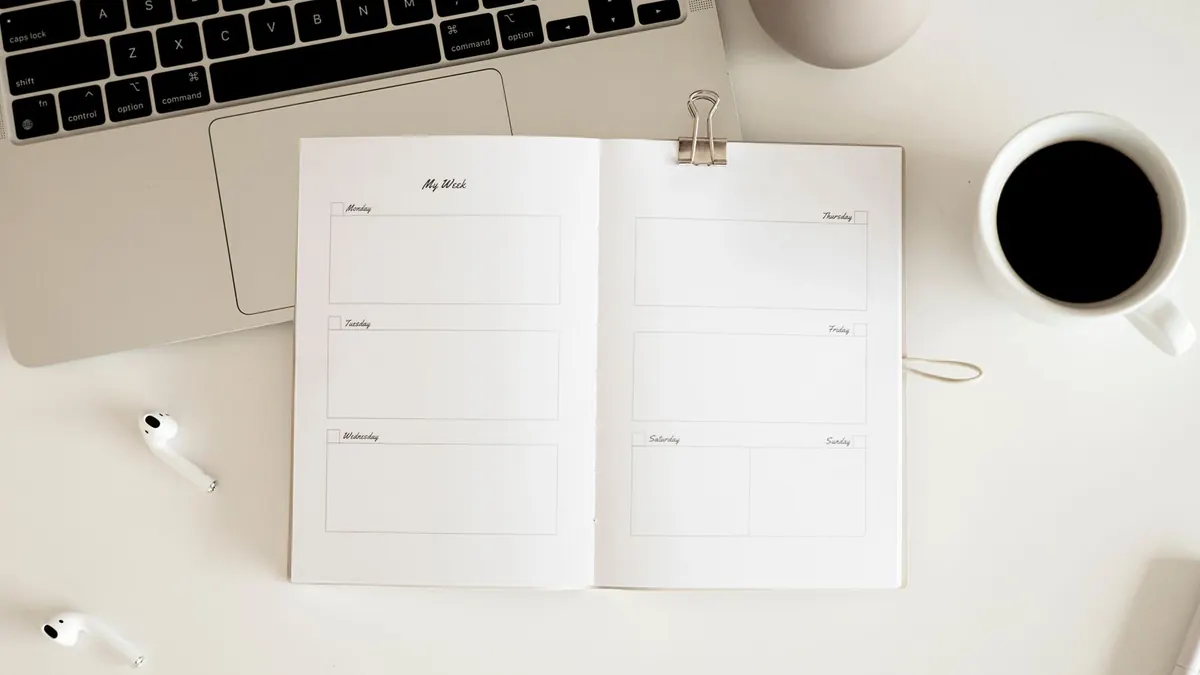
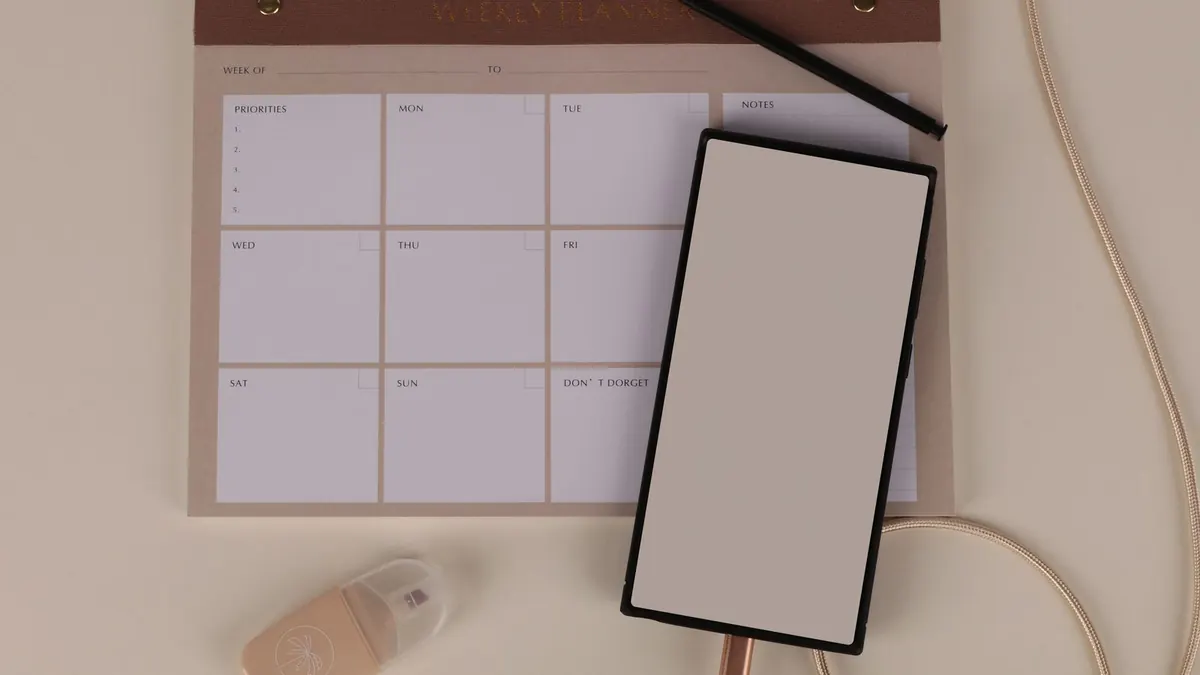
Choose a layout you will actually read. A classic monthly page suits a wall; a weekly page suits a desk where you plan day by day. Make the dates large enough to read from where you usually stand, and leave the boxes uncluttered so there is room to write. You can design one in the free maker, choose your colors and font, and download a printable PDF.
Design your printable calendarQuick answers
- Do I need to choose one? No. Use paper for visibility and a phone for reminders.
- How often should I sync them? Once a week is enough for most people, plus any urgent change on the day it happens.
- What if the two disagree? Decide in advance which one wins, usually the place where plans are written first.